News
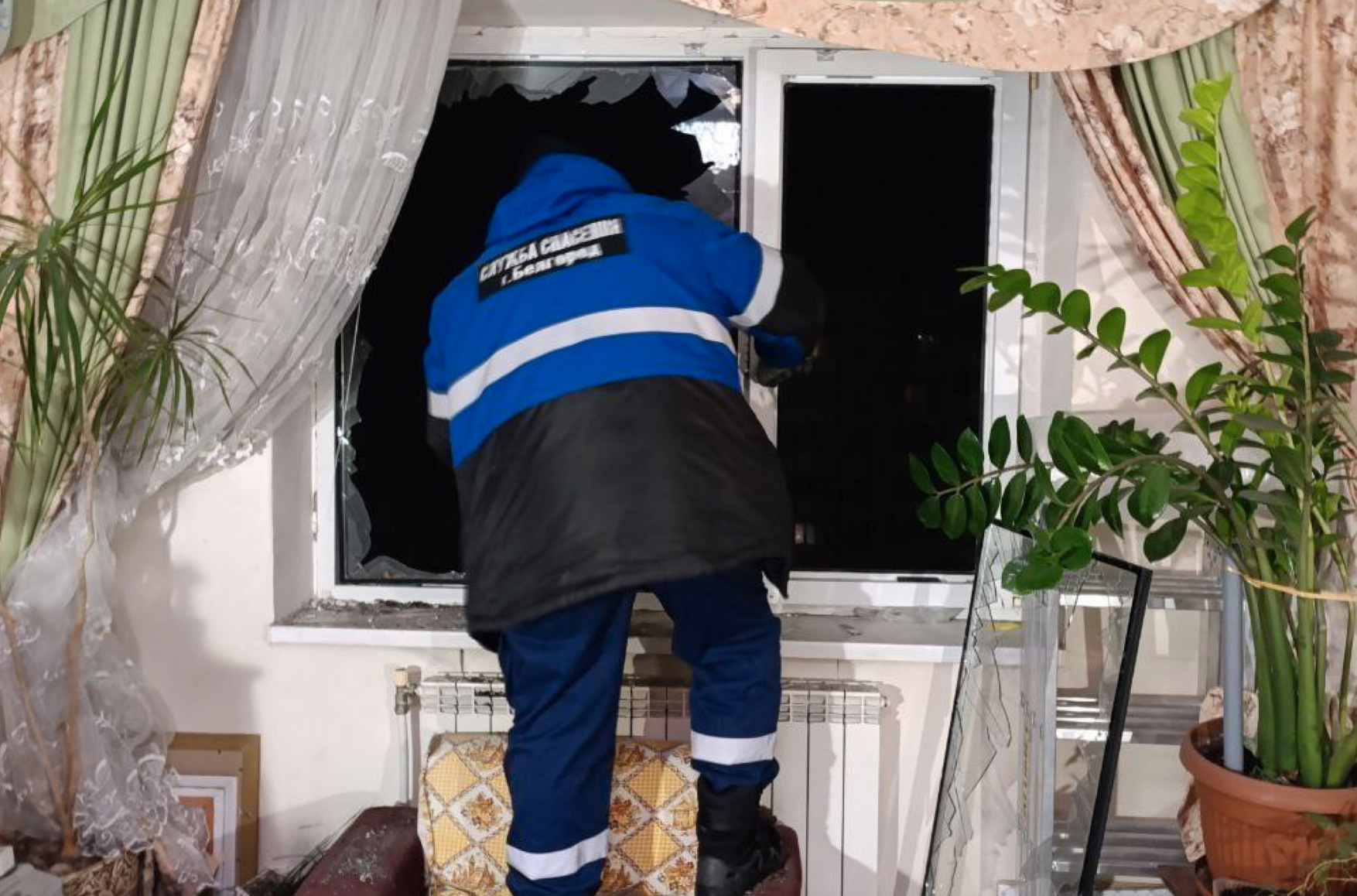
An emergency worker at an apartment in Belgorod damaged by Ukrainian shelling on February 13, 2026. Source: “Nastoyashchy Gladkov” (@vvgladkov) / Telegram
People in border areas of Russia’s Belgorod Region “quite often” die because of a lack of mobile internet, regional governor Vyacheslav Gladkov said during a recent live social media broadcast, according to a report by the Telegram channel Govorit NeMoskva.
The official read out messages from local residents angered by the communications shutdowns, which was imposed by the government as an apparent security measure to prevent drone attacks by Ukraine.
“Who will answer for the deaths of people who were unable to get information about drones because mobile internet was shut down? Did the people who did this use their heads at all? The whitelist system does not work for half of users, and the drones keep flying as they did before, this does not stop them. [Communications regulator] Roskomnadzor should be put on trial,” Gladkov read aloud, citing the views of Belgorod residents.
The governor, for his part, added that he “absolutely agrees with all the outrage.”
“For residents of the border area, this is an even greater threat — the lack of information, which, unfortunately, quite often leads to deaths, injuries, and destruction,” he said.
According to Gladkov, regional authorities are in talks with Moscow and Russia's security agencies “to find a compromise solution,” although it “will not be simple.” Despite the criticism, the governor stressed that the Kremlin “hears us, listens to us, and is trying to help us in this difficult situation.”
Internet and communications shutdowns have become widespread in Russia, with the threat of Ukrainian drone attacks cited as the reason behind the measures. The country’s capital, Moscow, is into its second week of an ongoing shutdown that has affected multiple districts and government buildings, including the State Duma.
Businesses in Moscow have reportedly lost up to 5 billion rubles (over $58 million) because of the shutdowns, and Muscovites have been actively searching for walkie-talkies, paper maps, and wired internet to cope during the outages, according to a report by the independent Russian outlet Important Stories.
As a “frontline” region directly bordering Ukraine, Belgorod has recently been hit by retaliatory strikes, which have affected key infrastructure and left some residents without electricity, heating, or water. Many are leaving the city. The Insider spoke to locals in Belgorod in a recent report.