POLITICS
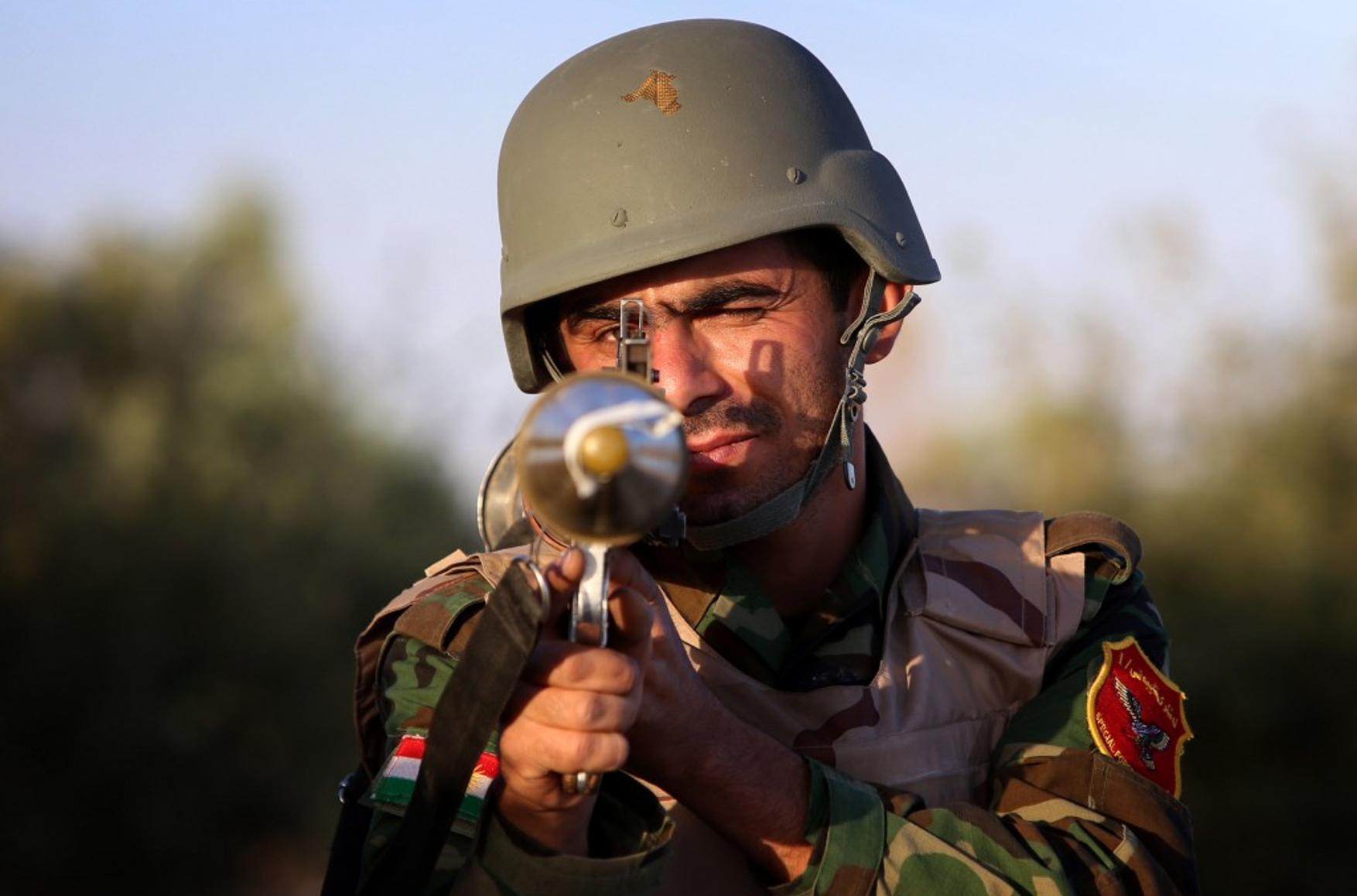
Once the regime in Iran began to wobble, the attention of the international community turned to the Kurds, whose forces are concentrated along the country’s border. The Kurds denied the first reports that they might already be crossing over into Iran: “We cannot move unless the skies above us are clear. We need to see weapons depots destroyed. Doing otherwise would be suicide.” Meanwhile, the Kurds are busy trying to preserve their autonomy in Syria, where they were forced to sign a less-than-favorable agreement with the new authorities in the face of passivity from their American allies. The war in Iran may even help the Kurds win back U.S. support, which is crucial for their survival and future in the war-torn region.
How the Kurds lost American support
Crisis of trust between Kurds and Arabs
Forced integration
Between Israel and Iran
The Kurds have once again found themselves in the spotlight. Washington has alternately confirmed and denied that, under an agreement with the United States, fighters from Iraqi Kurdistan crossed the Iranian border and began military operations in areas inhabited by Iranian Kurds. According to one version, Trump intends to arm them with the aim of sparking an internal uprising against the ayatollahs in Tehran.
At the same time, judging by recent developments in Syrian Kurdistan, the United States no longer appears to be interested in assisting the Kurds there, essentially forcing them to submit to the new leadership in Damascus. At the beginning of the year, an agreement between Syria’s central authorities and the Kurds seemed unattainable. Negotiations held on Jan. 4 at the government residence in Damascus between representatives of the Syrian cabinet and Kurdish politicians led by the commander of the Kurdish Syrian Democratic Forces (SDF), Mazloum Abdi, ended in scandal when Syrian foreign minister Assad al-Shaibani suddenly lost his temper and demanded that the Kurds leave the room. Abdi and the representatives of the U.S. administration who were mediating the meeting tried to protest, but the minister was adamant. The negotiations, which were meant to discuss a plan for the peaceful reintegration of the country’s northeastern regions — home to a predominantly Kurdish population — were put on hold.
At the time, official Damascus blamed Abdi for the collapse of the talks, alleging that he was incapable of making independent decisions without looking to the Kurdistan Workers’ Party (PKK). This is a serious accusation: for decades, PKK militant units have been the main enemy of neighboring Turkey, fighting against Ankara for goals ranging from broader autonomy to outright independence.
Turkey feared that the Syrian Kurds might gain statehood amid the country’s civil war, then try to attach Turkey’s Kurdish-populated southern regions to their new polity. To avoid this outcome, the Turks entered the Syrian civil war with the intention of preventing the break-up of the country. Ankara’s gamble paid off: in late 2024, the forces of Ahmed al-Sharaa defeated the army of the dictator Bashar al-Assad, who managed to escape to Moscow as the victorious rebel leader was proclaimed the country’s interim head of state.
One of the main problems of postwar Syria was separatism in the country’s northern regions. Early on in the civil war, the Kurds had managed to reach an informal neutrality with Assad: they did not support the rebels, while Assad’s government and army did not interfere in internal affairs in the north.
Later, with the emergence of ISIS, it was the Kurds whom the West relied on as its main allies in the fight against the self-proclaimed caliphate. Assad, although hostile to ISIS, was persona non grata for Europe and the United States. The so-called moderate Islamist groups were not always moderate and sometimes joined openly anti-Western forces such as al-Qaeda and ISIS. The so-called secular opposition, which had initially led the protests against Assad, quickly fell out among itself and split into factions and small groups incapable of achieving much of anything. Thus, the overtly secular Kurdish leaders, who declared their commitment to human rights, were the only actors the Western world could rely on.
As a result, Syrian Kurds gained access to weapons, funding, and diplomatic support. However, once ISIS was defeated, the foreign assistance quickly dried up. Moreover, neither Washington nor its European partners ever made statements backing Kurdish independence — or even autonomy within Syria.
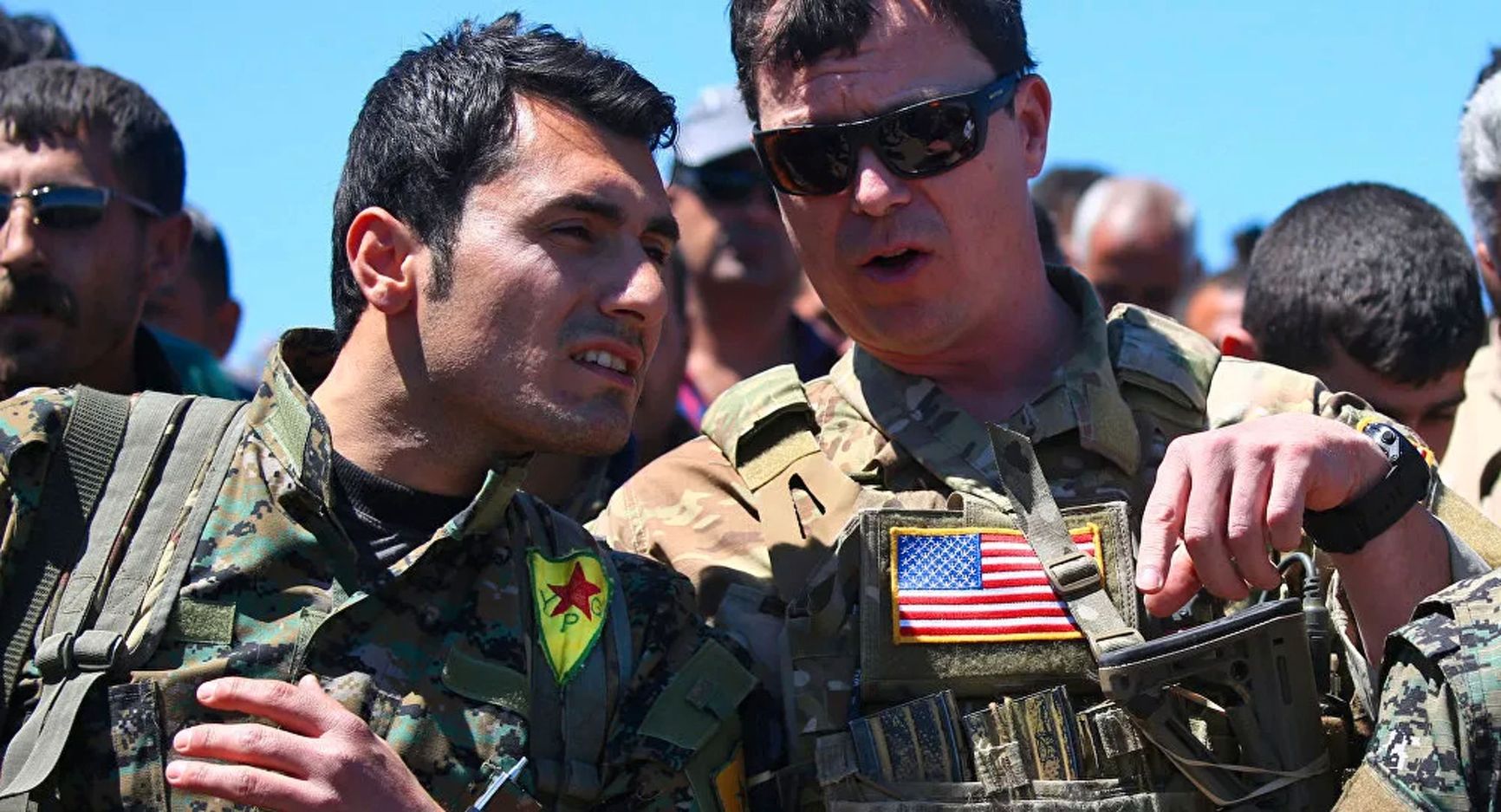
Al-Sharaa came to power shortly after the 2024 U.S. election that saw Donald Trump chosen for a return to the White House, and the old new president openly announced plans to bring U.S. troops home from Syria. Abdi found himself in an extremely challenging position — without real support from his former partners and facing the possibility of an invasion by a well-armed, highly motivated new Syrian army. As a result, in March 2025 he signed an agreement in Damascus on the reintegration of the northern regions and their return to central government control. The document did not regulate many aspects of the future integration and left numerous contentious issues unresolved, including the future of Kurdish armed formations, the status of the Kurdish language, and the division of powers between the central authorities and regional bodies. It was assumed that all of these would be settled later, during the course of reintegration. However, the process stalled, encountering strong resistance on the ground.
After well over a decade of practical autonomy, the Kurds were in no hurry to return to life under Damascus’s control. They even called al-Sharaa a jihadist and rejected negotiations with him as illegitimate. The new Syrian authorities attributed this “sabotage” to the PKK — more precisely, to its Syrian branches, the People’s Protection Units (YPG) and the Women’s Protection Units (YPJ).
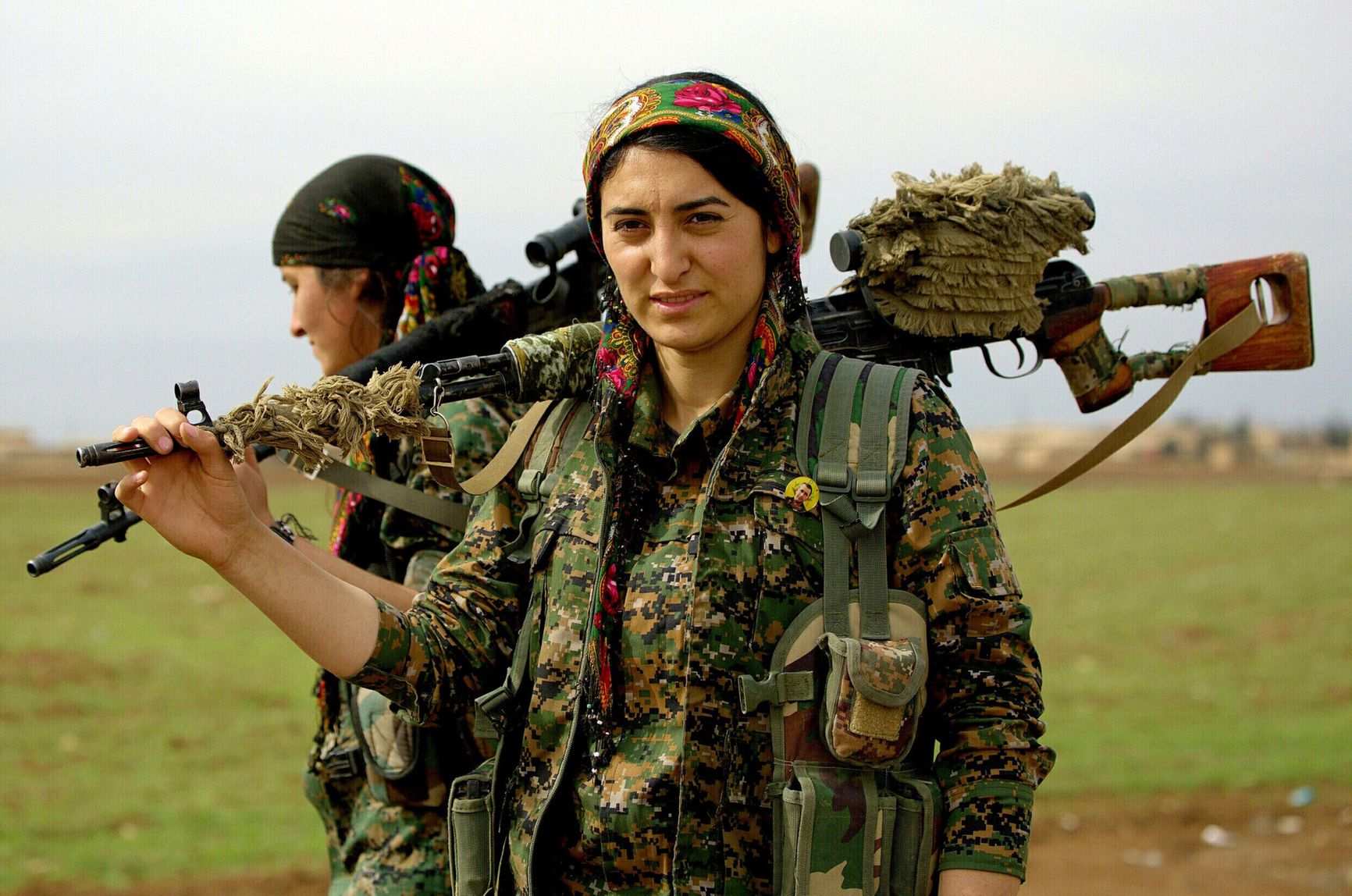
The YPG, and especially the YPJ, are not just combat units, but also the main symbol of resistance against ISIS. Photos and videos of Kurdish women in uniform fighting fearlessly against jihadists are known around the world. The self-defense units have a clear ideology and command structure, which does not fit into the al-Sharaa government’s vision of how security forces should look and function. Indeed, it is difficult to imagine the anarchist and queer battalions within the YPG operating in the armed forces of a new Syria that clearly leans toward strong central authority and Islamism.
It is hard to imagine anarchist and queer battalions of the Kurdish People’s Protection Units operating within the armed forces of the new Syria
The tradition of Kurdish units electing their own commanders (up to the brigade level) is also a poor fit for Syria’s highly centralized military structure. For that reason, al-Sharaa’s ministers have consistently insisted that YPG and YPJ fighters join the new army individually and be dispersed among different units. The political leadership of the units, however, seeks to preserve them in their current form — and therefore retain control over a significant portion of the Syrian military. When the talks collapsed, Damascus accused Abdi of pandering to this leadership.
The SDF has grounds to distrust the new Syrian authorities — and even to feel somewhat nostalgic about the final years of Bashar al-Assad’s rule. It was under Assad that they obtained a broad autonomy in the form of a quasi-state known as Rojava (the Kurdish word for “West,” referring to the western part of Kurdistan, which also includes northern regions of Iraq and Iran). Damascus largely stayed out of Rojava’s affairs, as Assad lacked the strength to reassert control over the north of the country.
However, the new authorities quickly made their stance on the Kurdish national project clear by adopting a so-called Constitutional Declaration (that will remain in force until the country adopts a full new constitution). According to this interim document, Syria retains its former official name, the Syrian Arab Republic, to the consternation of its ethnic minorities. In addition, the declaration contains no mention of the Kurdish language, listing Arabic as the only official language. In the list of national holidays, the declaration initially included only secular, Muslim, and Christian holidays, omitting the main Kurdish holiday of Nowruz.
The declaration contains no mention of the Kurdish language, and the list of public holidays does not include Nowruz
After Damascus refused to preserve even a hint of Kurdish autonomy, Mazloum Abdi and his allies began preparing not only for political confrontation but also for a potential military standoff with the new authorities. Yet despite the Kurdish formations’ considerable combat experience and their sizable stockpiles of Western weapons, they would have found such a conflict highly problematic. After all, al-Sharaa has enjoyed the support of much of the international community.
The interim president has skillfully capitalized on his image as the victor over one of the bloodiest dictators of modern times, whereas the Kurds failed to convert their reputation as fearless fighters who defeated ISIS into broader international support for their national project. In addition, many of the Arab tribes living in Rojava are religious, conservative, and not always sympathetic to the secular Kurdish authorities (equating secularism with atheism, as often happens in the Middle East).
While the Kurds were still fighting ISIS and using soft power to prevent Assad from regaining influence in northern Syria, local Arabs remained loyal to the Kurdish authorities, even joining the SDF units en masse. They were readily accepted and armed — not only to increase manpower but also for ideological reasons. The SDF positioned itself as a multiethnic force defending the interests of all peoples living in the areas under its control. For that reason, they were willing to recruit entire Arab communities.
In some areas, SDF units became Kurdish in name only, in practice functioning as Arab tribal militias — a model that turned into a catastrophe for Abdi’s forces when the Syrian army launched an offensive against SDF positions in the northern part of Aleppo after the talks in Damascus collapsed on Jan. 6.
By Jan. 11, the last Kurdish pocket of resistance within the city had been suppressed, after which the army advanced on other fronts, quickly taking control of more population centers. The speed and success of the offensive came largely due to the mass defection of Arab SDF units to the side of the central government.
The success of the new Syrian army’s offensive was largely secured by the mass defection of Arab SDF units
Operating behind the lines of their former comrades, these Arab units coordinate their actions with the national army, forcing the Kurdish fighters to wage battle on two fronts at once — or even three, if one is to believe the statements of SDF commanders about the direct involvement of Turkish units in the fighting.
In just two weeks of intense fighting, the SDF lost control of 80% of the territories they had previously governed. It is possible that the cities of Hasakah and Qamishli — still held by Kurdish forces — along with several rural enclaves would also have fallen under pressure from the Syrian army. However, they were saved by the Rojava administration’s agreement to finally seek a compromise with Damascus.
After several fruitless attempts to reach a peace deal, a month ago the parties finally settled on a ceasefire while spelling out more detailed mechanisms for the reintegration of Kurdish territories. The new agreement requires SDF fighters and commanders to join the Syrian army individually — integration into Damascus’s jurisdiction as entire brigades or battalions is not allowed, meaning new units will be formed from these personnel. Foreigners linked to the PKK will not be allowed to serve in the armed forces or police, while the admission of Syrian members of the YPG and YPJ into the new structures will be decided on a case-by-case basis. All heavy weapons, along with control over oil fields, airports, and the borders with Iraq and Turkey transfer over to Damascus. All local Rojava officials retain their positions but are now supervised by the central government rather than local councils. Damascus undertakes to facilitate the return of refugees to the region and to protect their rights. SDF leaders receive senior posts in towns with large Kurdish populations and within the national administration.
The signing of this agreement followed the publication of a decree by al-Sharaa granting the Kurdish language official national status. It will be used in administrative proceedings in the former Rojava region, and it may be used as a language of instruction in state-certified educational institutions.
In addition, Syrian citizenship is restored to all Kurds who were stripped of it in 1962 — when the authorities deprived about 20% of Kurds of civil rights, declaring them illegal foreign immigrants — as well as to their descendants. The same decree also declares Nowruz an official public holiday.
Commenting on the decree, the interim Syrian president stated that the Kurds should take an active role in the revival of the Syrian nation and that their rights would henceforth be protected. In early February, Syrian police and security services entered the cities still nominally under SDF control, in coordination with local administrations. Under their supervision, the remnants of Rojava’s quasi-state structures will be dismantled: weapons will be handed over to Damascus, local legislation will be rewritten to align with national law, armed units will be dissolved, and their personnel will be reassigned to new formations.
In short, the Kurds’ long-running experiment of building a socialist enclave in a country torn apart by civil war — governed by local councils in line with Marxist principles — has come to an end. What lies ahead is the long and difficult task of integrating millions of people into the political and economic life of a state from which they had been separated for the past decade and a half. But new developments in the region — including the attack by Israel and the United States on Iran and the elimination of its leadership, as well as attempts by Iran’s Islamic Revolutionary Guard Corps to stir up a war of all against all — are now opening new opportunities, including for the Kurds.
Pragmatic and determined, al-Sharaa is even holding talks with the Russians, who are responsible for the killing of at least 7,000 Syrian civilians. He has a decent chance of uniting a war-torn Syria, but some factors are outside of his control. Not long ago, YPG and YPJ fighters were disorganized and confused, but now they may attempt to regain influence and lost territories.
Much will depend on whether the Kurds can secure substantial support from a regional power. Israel could have played that role in the past, as its leadership is far from enthusiastic about an Islamist government in Damascus and already supports Syria’s Druze communities. However, Israel is under strong pressure from the Americans, who prioritize long-term stability in the region. Meanwhile, the war with Iran has already forced Israel to commit its full military capacity, with the country mobilizing more than 100,000 reservists.
Donald Trump is reportedly considering betting on Iranian Kurds against the central government. In that case, he would likely need the support of their Iraqi — and perhaps even Syrian — counterparts. At the same time, the Iranians, in desperation, could try to form an alliance with their former enemies simply to create chaos and further destabilize the already fragile new Syrian regime.
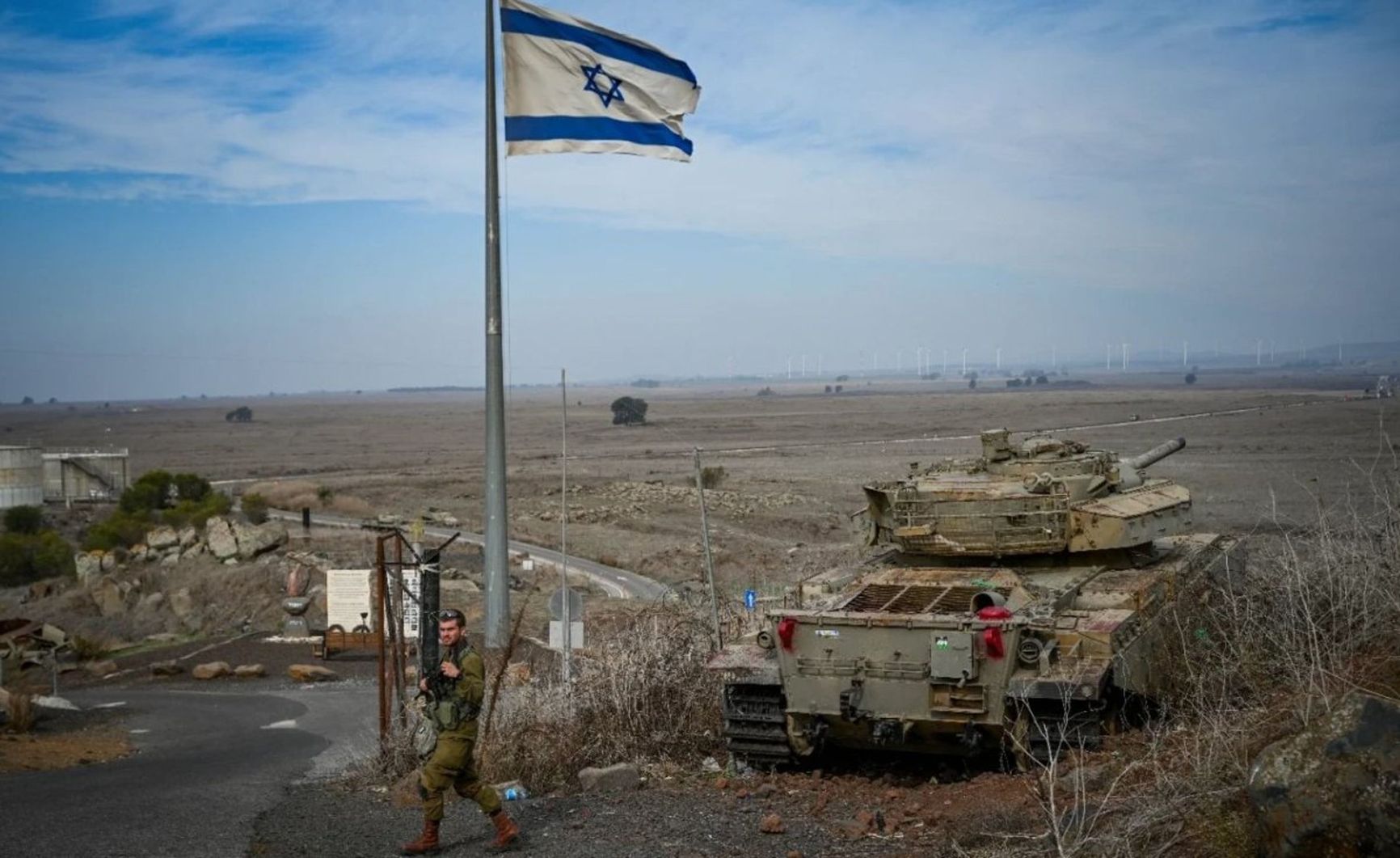
Official Tehran designates the Kurdish self-defense units as terrorist organizations, but unofficial reports claim the Iranian regime began cooperating with them some time ago (at least according to Turkish media). Ankara is another key player here. Reluctant to quarrel with Iran, Turkey is now being forced into this confrontation, and the activation of the Kurdish issue remains one of its worst fears. For them, there could be nothing worse than the emerging alliance between the United States and Iraqi Kurdistan, which could expand to include Iranian Kurdistan as well.
However, Syria had notably been within Iran’s sphere of influence for decades. Losing control over the Syrian government after the defeat of Assad’s army dealt a serious blow to the prestige of the ayatollahs’ regime and deprived it of a forward base in the very heart of the Arab world. Now, amid a broader war of all against all, Syria could once again become the weakest and most fragmented actor in a major regional conflict. Thus, not only the United States but also Tehran may try to at least partially recover its losses in the region — possibly even by courting local Kurds, who find themselves in a very different position from those in Iraqi Kurdistan.
Turkey, in turn, may have to launch military operations against the Kurds on foreign soil — in Iraq and possibly in Syria — even at the risk of straining relations with the United States. In that case, it will again become crucial where Syrian Kurds position themselves in these conflicts, as they find themselves squeezed between Damascus, Turkey, Israel, pro-Iranian forces inside Syria and Lebanon, and their fellow Kurds in Iraqi Kurdistan.
К сожалению, браузер, которым вы пользуйтесь, устарел и не позволяет корректно отображать сайт. Пожалуйста, установите любой из современных браузеров, например:
Google Chrome Firefox Safari