News
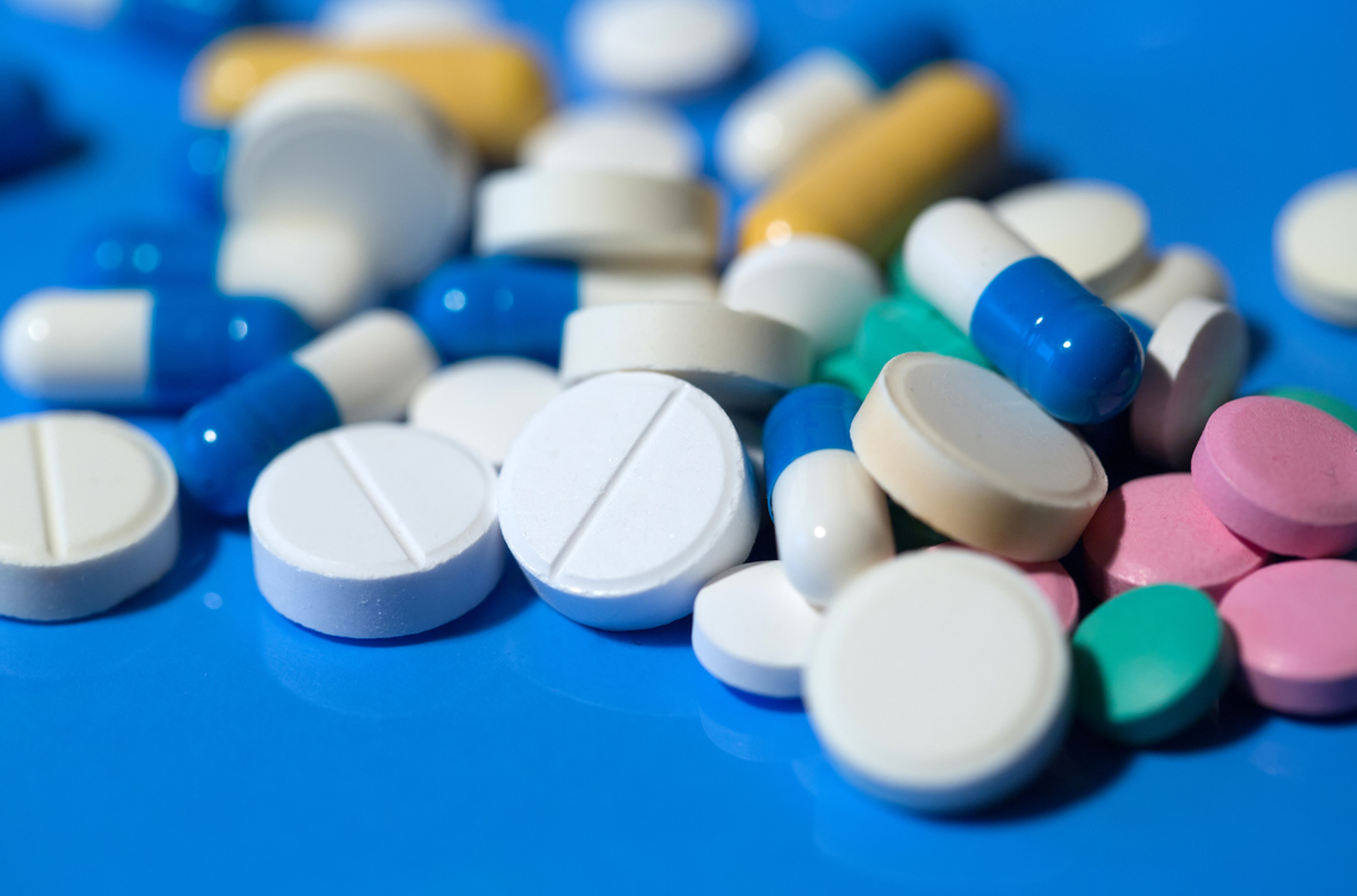
Over the next four years, Russians are set to lose access to almost all imported medicines — a goal set out in the state’s Healthcare Development Strategy, which was approved by presidential decree in December by Vladimir Putin. According to the document, by 2030 a full 90% of the medicines required for the healthcare system are to be produced in Russia under a full production cycle. The share of domestically produced drugs on the list of vital and essential medicines (VED) is also to be increased to 90%.
Under the new strategy, the share of domestic technologies in medicine is to reach 80% by 2030. The authorities also plan to raise the share of domestically produced goods on the medical devices market to 40%, and on the implants market to 19.5%.
The main instrument through which the authorities intend to ensure this large-scale transition will be the so-called “second extra” mechanism. Under this rule, if at least one bidder in a public procurement tender offers a medicine fully produced in the Eurasian Economic Union (EAEU) — whose membership consists of Russia, Belarus, Kazakhstan, Kyrgyzstan, and Armenia — bids involving foreign medicines are automatically rejected. If several domestic suppliers take part in the tender, a 15% price preference is applied to the full-cycle product.
The mechanism is already being used in the public procurement of medicines from the VED list, while a decision on its application to the list of strategically significant medicines (SSM) has not yet been finalized. The SSM list was created in 2010 for drugs whose localization is directly linked to Russia’s national security, and the “second extra” rule was initially intended to apply to all strategically significant medicines. The mechanism was supposed to take effect for the SSM list on Sept. 1, 2025, but the Ministry of Industry and Trade initiated a four-month postponement until Jan. 1, 2026, citing the need for a “seamless” move to the new procedure. It was assumed that the delay would give manufacturers the necessary time to localize full-cycle production within the EAEU.
The SSM list includes 215 strategically significant medicines whose production is to be ensured on Russian territory. Among them are widely used insulins such as aspart, lispro, glargine, and degludec. The Health Ministry and the Ministry of Industry and Trade are currently developing criteria for compiling an updated list.
In August, the All-Russian Union of Patients sent a letter to the government asking for a review of the categories of medicines that will fall under the new mechanism, pro-Kremlin newspaper Izvestia reported. In the union’s view, the “second extra” rule should apply only to a very limited list of medicines so as not to lead to supply disruptions, a reduced range of products, or lower access to modern therapies for patients. According to the union’s co-chair, Yuri Zhulev, around 60% of patients already complain that pharmacies do not have all of the medicines they need. Many people, he said, still prefer to buy imported drugs at their own expense because they are afraid to switch to domestic equivalents.
“Trust in domestic manufacturers needs to be built, but not at any cost. Patients are wary when they are told that from now on only one manufacturer will supply their medicine. Doctors and patients should have the widest possible choice of treatment options,” Zhulev explained.
As an intensive care physician from Russia’s Southern Federal District told The Insider on the condition of anonymity, shortages of medicines from the VED list are already being observed in Russian hospitals:
“Isacardin has disappeared. It is used for heart failure. It is not available not only in the hospital but in any pharmacy either — the administration told us they were unable to obtain it. Saline solution also disappears periodically.”
Participants in the pharmaceutical market also say the industry is unprepared for the rollout of the “second extra” mechanism. According to Evgeniya Shapiro, the CEO of PSK Pharma:
“In addition to active substances, there is a large number of auxiliary components and materials that are needed to produce a medicine. If we have the substance but do not have starch, lactose, gelatin, and other basic materials, we will not be able to produce the drug. Or we will have to change the technology and dosage form. Sometimes production exists in Russia, but volumes are insufficient or the output does not meet buyers’ requirements — for example, in terms of quality for the pharmaceutical segment. Under such conditions, fully replacing imports is impossible.”
According to statistics published by Cursor, technological capacity for full-cycle production in Russia exists for only 30% of the medicines on the VED list. At the time of analysis, the list included 7,042 trade names, and of the 4,766 trade names produced in Russia, 38% rely on imported raw materials.
Contrary to the widespread belief that “Western” pharmaceuticals are being replaced en masse by “Eastern” ones, the situation with the VED list is different: trade names of Indian-made medicines account for 8%, and less than 1% of drugs are produced in China. A total of 18% of medicines on the VED list are produced in countries designated as “unfriendly.”
“These circumstances underscore the Russian pharmaceutical industry’s significant dependence on foreign suppliers of raw materials, despite the presence of domestic producers of active pharmaceutical substances. This creates potential risks for ensuring the country’s drug security amid geopolitical instability and possible additional import restrictions,” Cursor’s report says.
At the same time, imported orphan drugs accounted for almost the entire Russian market in 2025, according to another Cursor report based on an analysis of tender procurements. According to the data, 99 international nonproprietary names and 115 trade names of orphan medicines are registered in Russia, 59 of which are included on the VED list. The Russian market, the review found, remains almost entirely dependent on foreign supplies: 91.2% of total spending goes towards the purchase of imported drugs. Of that, 80% is accounted for by purchases of orphan medicines — those treated to treat rare diseases — that are made in so-called “unfriendly” countries.
Among the most frequently procured orphan drugs in 2025 was Trilexa, which is used to treat cystic fibrosis. In November, The Insider detailed the issues connected with the drug in Russia.